The first 7 weeks of this course served as preparation for the creation of my online portfolio. I had to revisit my goals at the beginning of the MET, consider the audience for my portfolio, and choose which artifacts from the 9 courses I completed to include.
Now the actual work begins. Over the past two weeks I’ve set up my WordPress portfolio site at opened.ca. I’ve chosen a theme, based on aesthetics and some functional requirements, such as responsiveness to different screen sizes. I’ve strated to add content to the WordPress site, and in the process have had to choose which blocks to use. Blocks are the lowest level unit of content in a WordPress page, and can contain text, multimedia, downloadable content, and embedded content from elsewhere. Choosing the blocks has been analagous to choosing edtech – I’ve had to think about the best way to represent my thoughts to my audience. I’ve come across some shortcomings of the opened WordPress instance – for example none of the available themes properly renders PDF files on the page, so I have had to use a workaround to display PDF-based artifacts. Again, there’s an analogy with edtech – sometimes the ideal tool isn’t available (or perhaps more commonly, doesn’t exist), and we have to use what is available.
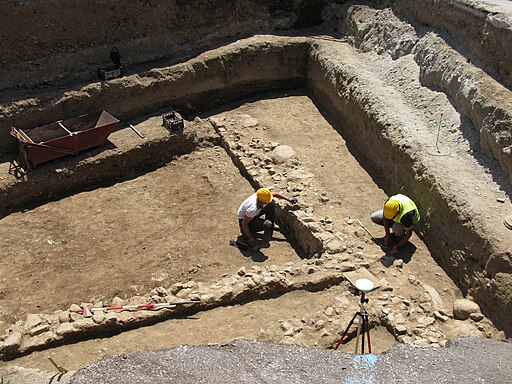
Even though I created a proposal document outlining which artifacts I wanted to include and why, the process of actually building the site has made me (re)think about the reasons for their inclusion, and how they relate to my overall MET journey. Again, this reminds me of the reality of implementing edtech: We talk about ‘pedagogy first’ and how it’s important to fit the edtech to the educational goals, and not vice-versa. But in reality the two are in a reciprocal relationship – the edtech subtly (or not to subtly) influences the original pedagogical aim. As with many things in life (and on an archaeological site), it’s messy.
